
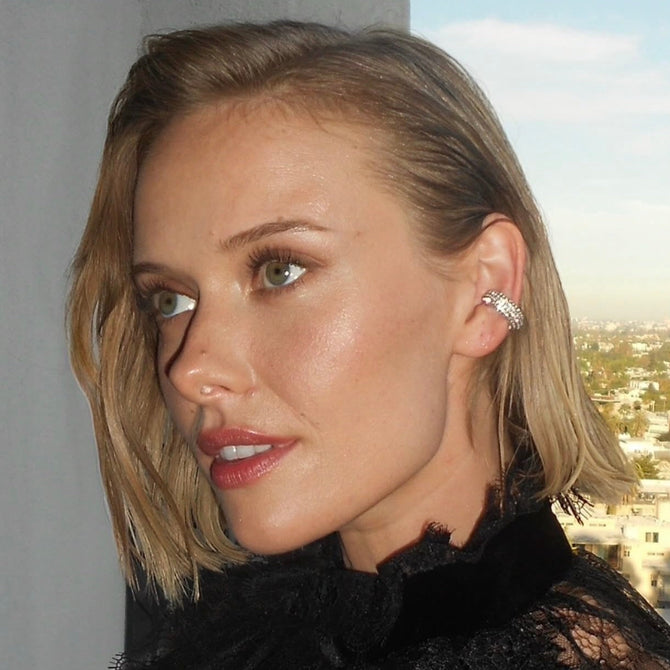
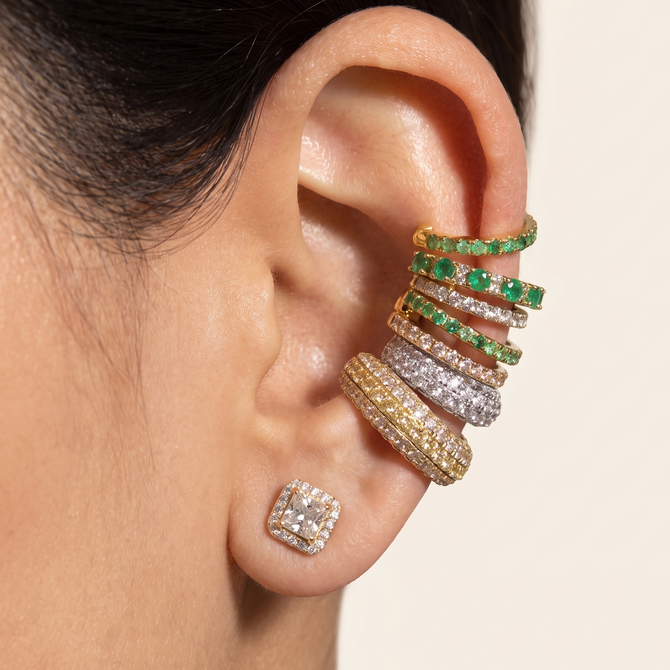
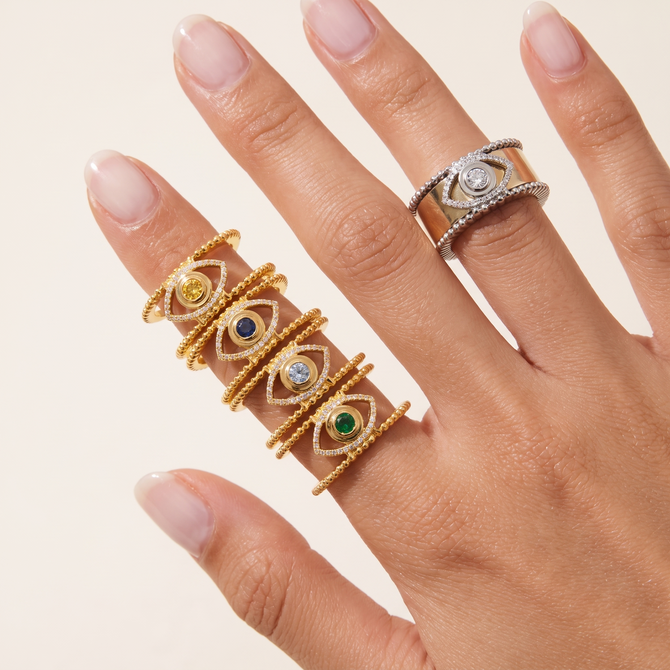
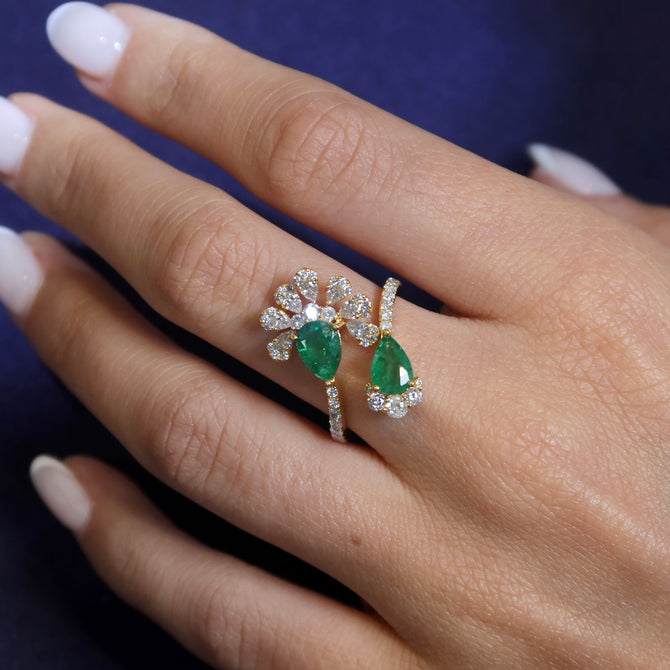
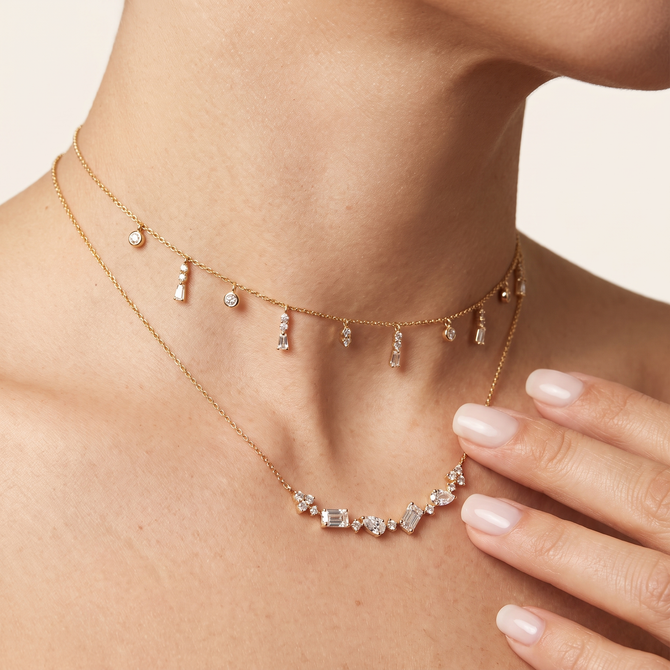
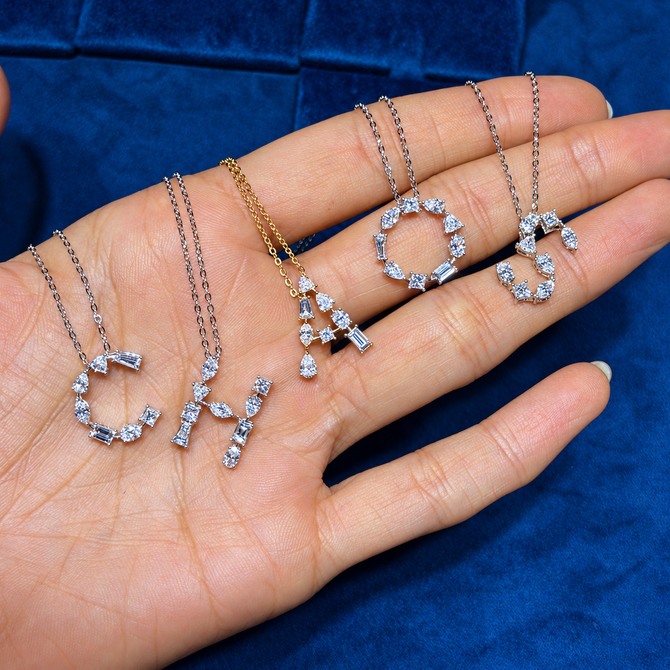
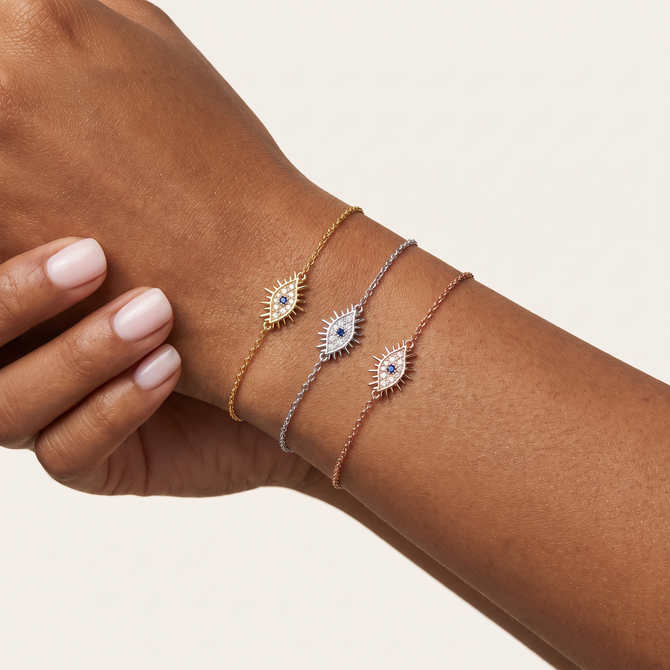
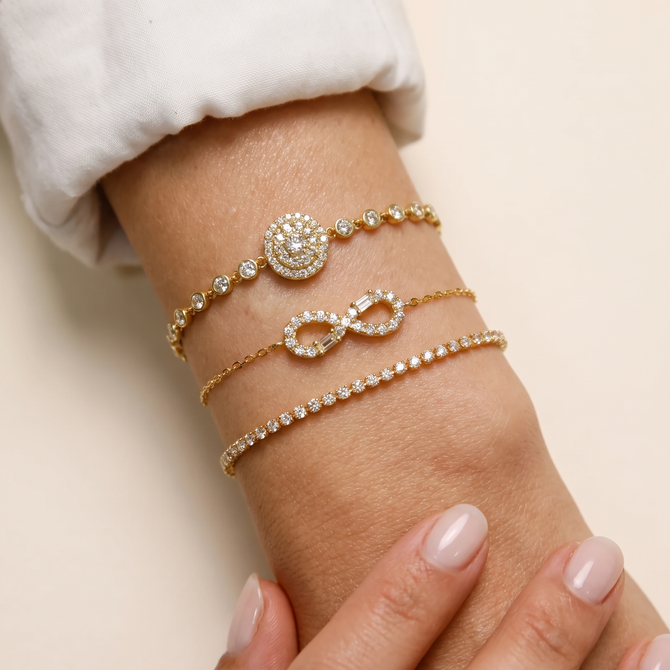
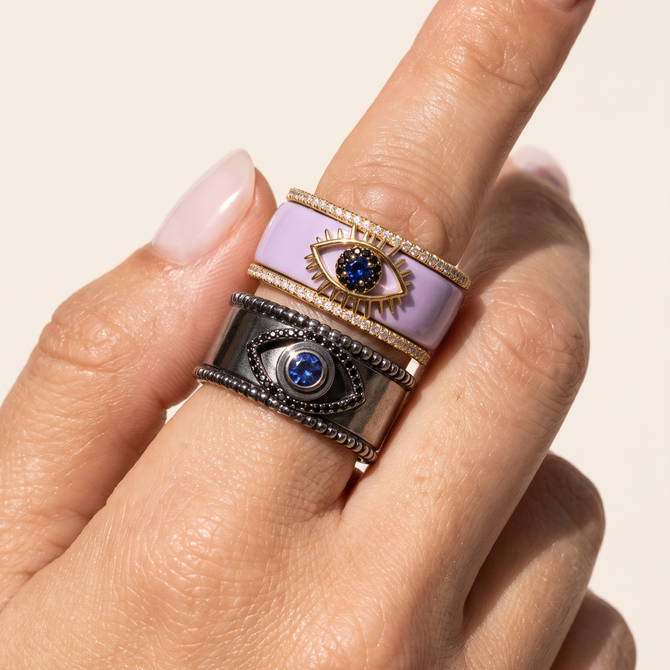
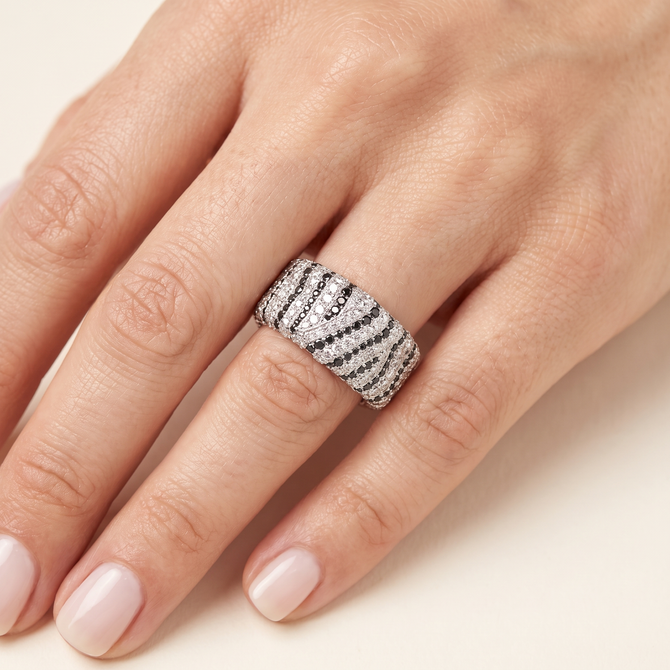
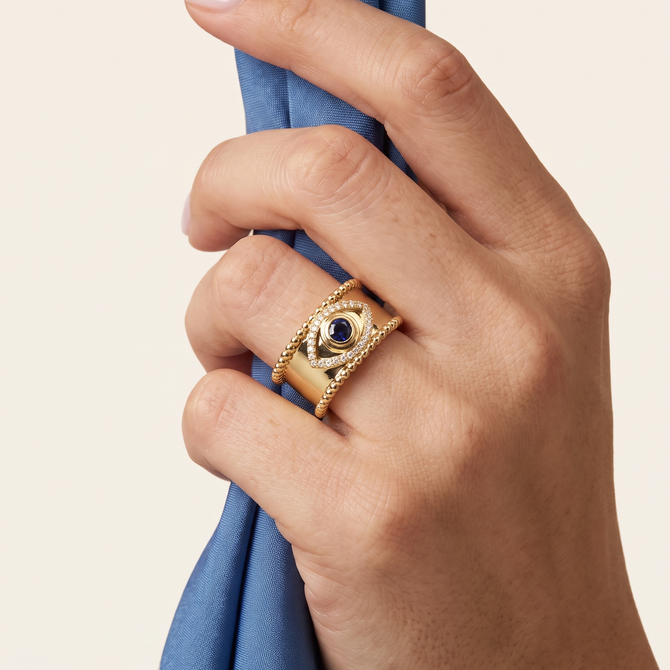

Jewelry has always been emotional.
A ring that marked a beginning. A bracelet worn on the worst day and the best. A necklace chosen in a quiet moment, for no reason other than it felt right.
The emotion hasn’t changed.
But the way women discover, choose, and connect to jewelry? That has been completely transformed.
We are no longer just walking into boutiques and browsing glass cases. We are scrolling. Saving. Screenshotting. Zooming in. Watching try-ons at midnight. Reading reviews during lunch. Comparing stones in different lighting. Asking AI what pairs with what.
The jewelry journey now begins long before checkout, and often long before intent.
And women are leading that shift. Not passively. Completely.
The Scroll Before the Store
The global online jewelry market hit $46.1 billion in 2024. By 2032, it’s projected to reach $129 billion, nearly tripling in less than a decade. This isn’t incremental growth. It’s a structural change in how women relate to fine jewelry.
Before a woman even considers purchasing, she has already researched, compared, saved, and curated. Mobile devices now dominate product discovery, especially among millennial and Gen Z women. And social platforms have quietly become the most powerful jewelry showcases in the world, not because they sell, but because they inspire.
A single Reel can introduce a stacking combination you’d never imagined.
A TikTok can make you feel like tennis bracelets were made specifically for your wrist.
A Pinterest board can quietly become the blueprint for how you want to feel every morning.
Jewelry is particularly powerful in digital spaces because it’s visual, emotional, milestone-driven, and increasingly, self-chosen. Digital platforms don’t just show jewelry. They show jewelry *in context*: on real women, in real moments, styled for real life.
That changes everything.

She’s Buying It For Herself. Full Stop.
Here’s the shift that deserves the most attention, especially today.
Women are buying jewelry for themselves more than ever before. And they’re not waiting for a reason.
In 2024, there was a 58% increase in women purchasing jewelry for themselves compared to just three years prior. 42% of women say they’re buying more jewelry for themselves than they did two to three years ago. And when jewelry retailers were asked about their biggest opportunity, 41% pointed to female self-purchasing, while only 26% cited gifting.
The industry has already taken note. Have we?
Promotions. Personal milestones. Fresh starts. A Tuesday that deserved something beautiful.
Digital access has accelerated this shift in a specific way: when purchasing is private, frictionless, and entirely self-directed, a woman doesn’t need permission. She doesn’t need an occasion. She needs something that resonates.
That emotional independence is rewriting what jewelry means. It’s no longer a symbol of being chosen by someone else. It’s a symbol of choosing yourself.
At Psylish, we’ve felt this shift viscerally, in who’s browsing, what they’re reading, how long they spend with a piece before deciding. Women arrive knowing what they want. They just need to find it.
Social Media Didn’t Create the Desire; It Removed the Distance
In previous generations, jewelry trends were handed down from runway shows and magazine editors; remote, polished, aspirational, and frankly, out of reach for most women.
Today, trends emerge from micro-creators styling pieces in their kitchen. From women who look like your colleagues and your friends. From 30-second videos that show a bracelet at the office, at school pickup, and at dinner, all in the same clip.
That accessibility is everything.
When a woman sees jewelry worn in her kind of life, she doesn’t just see a product. She sees possibility. She sees herself. And that moment of recognition, that could be me, that could be mine, is what drives modern jewelry purchasing more than any ad ever could.
Many jewelry brands now allocate between 20–40% of their marketing budgets to social media and influencer partnerships precisely because organic, human storytelling outperforms traditional retail advertising.
But the deeper truth is this: social media didn’t create women’s desire for beautiful things. It simply removed the distance between the desire and the discovery.
Transparency Is the New Luxury
With digital access comes digital intelligence.
Today’s woman is one of the most informed buyers in history. Before she reaches checkout, she has already checked the reviews, the return policy, the metal specifications, the stone quality, the brand values, and probably the founder’s Instagram.
She is not skeptical to be difficult. She is thorough because she cares. She is investing, in a piece, in a brand, in a story she wants to carry with her.
That’s why transparency isn’t a nice-to-have. It’s the price of admission.
At Psylish, our factory-to-cart model was built on exactly this principle. By eliminating the traditional middlemen between craftspeople and customers, we’re able to offer fine diamonds and gemstones at prices that don’t require justification, and with the kind of clarity that builds real trust. Every product page is built to answer the questions she’s already asking before she asks them.
When a brand is honest about what something is, what it costs, and why, the woman on the other side of the screen feels it. And that feeling? That’s what turns a first browse into a loyal relationship.
AI, Personalization, and the Feeling of Being Understood
Modern consumers don’t just want choice. They want relevant choice.
AI-driven recommendations and smart product curation now allow jewelry brands to meet a woman exactly where she is, suggesting complementary pieces for a stack she’s building, recommending metals that align with what she’s already gravitating toward, surfacing silhouettes she hasn’t seen yet but will immediately recognize as hers.
When personalization works well, it doesn’t feel like an algorithm. It feels like a really good friend who knows your taste.
And for women who view jewelry as identity not just accessory; that level of attunement matters deeply. Because jewelry isn’t just something you wear. It becomes part of how you move through the world and how you’re seen in it. The more a piece feels genuinely aligned with who you are, the more powerful it becomes.
Where Psylish Fits Into All of This
We are a digital-first jewelry brand because our customer is a digital-first woman.
She discovers on her phone. She saves and revisits. She zooms in on the prong setting and reads about the metal grade and checks if the clasp is secure. She makes considered, confident decisions, and then she waits, with genuine anticipation, for that box to arrive.
That journey, from first scroll to the moment it touches her skin, is what we design for.
Our pieces are built to be layered and styled digitally. To be seen in real movement, in real light, against real skin. To translate from screen to self without disappointment. Because the woman shopping with us has been burned by the gap between image and reality before. We take that seriously.
And because we’ve removed the middleman markups, that woman is also getting something that would otherwise cost two to three times more at a traditional retailer, without sacrificing a single thing in the experience, the packaging, or the quality of the diamonds themselves.
That is the Psylish proposition: effortless luxury, on her terms, at a price that makes sense.
The Future Belongs to Her
The jewelry industry is continuing to evolve. We’ll see more immersive virtual styling, smarter AI curation, deeper personalization, and even stronger integration between social discovery and seamless purchase.
But the thread running through all of it will remain the same.
A woman, somewhere, falls in love with a piece that feels like *her*. She saves it. She returns to it. She imagines it in her life. And then, on her timeline, at her pace, she makes it hers.
Technology facilitates that journey.
Algorithms suggest options.
Brands like Psylish try to make it beautiful at every step.
But the decision?
That is entirely, completely, powerfully hers.
And on International Women’s Day, and every day, that feels like exactly the right place for it to be.


