

Luxury used to be about arrival.
Today, it’s about alignment.
For decades, luxury buying was driven by status, logos, and legacy maisons. Brands like Louis Vuitton, Chanel, Cartier, and Rolex built empires on exclusivity and heritage. Ownership signaled achievement. Visibility mattered.
But young buyers, particularly Millennials and Gen Z, are quietly reshaping what luxury buying means.
And they’re doing it differently.
Not by rejecting luxury.
By redefining it.
The Data Behind the Shift
According to Bain & Company’s Luxury Study, Millennials and Gen Z now account for over 60% of global luxury purchases. By 2030, Gen Z alone is projected to represent nearly a third of the luxury market.
But what they value in luxury buying is fundamentally different.
A 2023 Deloitte Global Gen Z and Millennial Survey found:
62% consider sustainability when making a luxury purchase
Over 70% research brand values before buying
A majority prefer “timeless investment pieces” over trend-driven products
Luxury buying is no longer impulsive status consumption. It is considered, researched, emotionally aligned purchasing.
Young consumers are asking:
Who made this?
How long will it last?
Does this reflect my identity?
Is this worth owning for years?
This is especially true in jewelry; one of the most emotionally charged luxury categories.
From Logo-Driven to Meaning-Driven Luxury
Previous generations embraced visible branding. Monogram bags. Signature patterns. Obvious labels.
Young buyers? Subtlety wins.
The rise of brands like The Row, Totême, Bottega Veneta (post-logo era), and quiet-luxury movements proves it: understatement now signals confidence.
In jewelry, the same shift is happening.
Instead of oversized, flashy pieces, younger buyers gravitate toward:
Fine diamond studs they never remove
Delicate gold necklaces layered daily
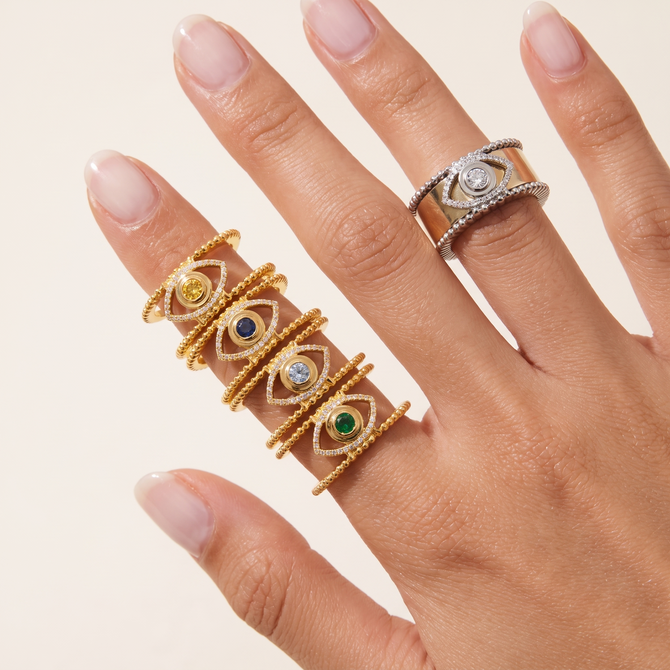
Rings that feel personal, not performative
Tennis bracelets stacked with timepieces
Luxury buying is becoming more about permanence than spectacle.
This is where fine jewelry; particularly natural diamond jewelry, holds power.

Conscious, But Not Compromised
There is a misconception that young buyers are choosing between ethics and luxury.
They aren’t.
They expect both.
McKinsey reports that over 65% of Gen Z consumers are willing to pay more for sustainable luxury products. But “sustainable” does not mean disposable. It means responsible sourcing, longevity, and transparency.
In jewelry, this translates to:
Clear sourcing practices
Traceable natural diamonds
Craftsmanship designed for decades, not seasons
At Psylish, this philosophy is foundational. We work exclusively with natural diamonds, stones formed over billions of years; not because it’s trendy, but because permanence matters.
Luxury buying today isn’t about fast decisions. It’s about slow value.
And nothing embodies permanence like natural diamond jewelry designed to be worn daily.
The Investment Mindset
Young buyers grew up through economic uncertainty: recessions, pandemics, inflation. That shapes buying psychology.
They don’t ask, “Can I afford this?”
They ask, “Is this worth it?”
Fine jewelry performs uniquely well under this mindset.
Unlike trend accessories, high-quality jewelry holds intrinsic value. According to Knight Frank’s Luxury Investment Index, high jewelry has shown long-term appreciation over decades, particularly pieces featuring natural diamonds and rare gemstones.
While not every purchase is made as a financial investment, the psychology of durability matters.
A diamond necklace worn daily for ten years costs less per wear than multiple trend pieces replaced annually.
Luxury buying is becoming cost-per-wear conscious.
And jewelry, especially timeless diamond jewelry, thrives in that framework.
Emotional Permanence in a Digital World
Gen Z is the first fully digital generation. They live online; but crave tangible anchors.
Jewelry offers something rare: physical permanence in an ephemeral world.
Unlike fashion cycles or tech devices, fine jewelry doesn’t update annually.
It stays.
It ages with you.
It absorbs memory.
That’s why younger buyers are gravitating toward jewelry during:
Career milestones
Personal achievements
Breakups and fresh starts
Self-purchase celebrations
Luxury buying is increasingly self-directed. Not gifted. Not inherited.
Self-purchased fine jewelry is one of the fastest-growing segments globally, particularly among women under 40.
This shift benefits brands that understand intimacy over excess.
Natural Diamonds vs. Disposable Luxury
Another defining shift in luxury buying: scrutiny.
Young buyers research everything. They compare materials. They read about sourcing. They understand resale value.
In jewelry, conversations around lab-grown diamonds versus natural diamonds are common. Lab-grown diamonds serve a segment of the market focused on lower price entry.
But natural diamonds continue to dominate high-luxury positioning because of rarity, geological origin, and long-term market stability.
The natural diamond industry has also made significant advancements in traceability and ethical oversight through initiatives like the Kimberley Process and blockchain-based tracking.
For buyers who value both meaning and material permanence, natural diamond jewelry remains the benchmark of lasting luxury.
At Psylish, we focus solely on natural diamonds because they represent the kind of luxury young buyers are moving toward: rare, real, enduring.
Not mass-produced. Not fleeting.
Luxury as Identity, Not Approval
Perhaps the most important shift is psychological.
Older luxury buying patterns often centered on external validation.
Today’s buyers prioritize internal alignment.
A 2024 Vogue Business report highlighted that Gen Z views luxury as “self-expression rather than status signaling.”
This explains the rise of:
Customizable pieces
Personalized fine jewelry
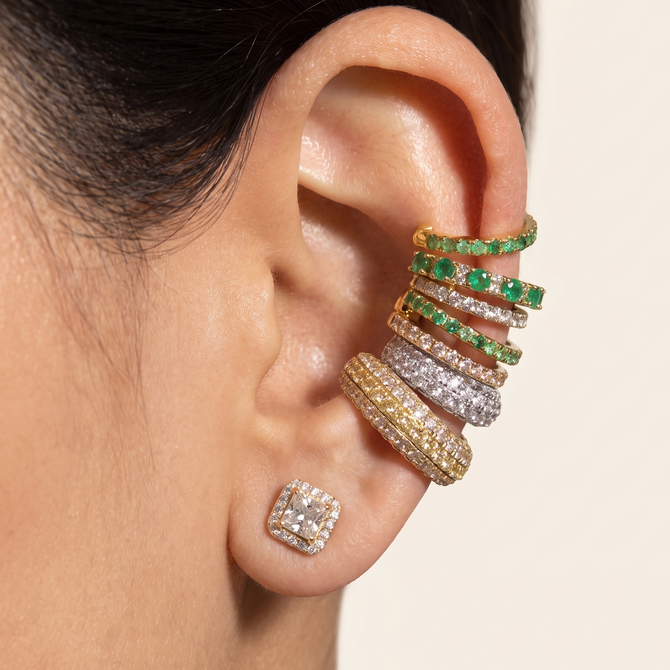
Minimal, stackable rings
Everyday diamond studs
Jewelry becomes part of someone’s daily identity, not just occasion dressing.
At Psylish, our jewelry is designed to integrate into life; layered, stacked, worn without ceremony.
Because young luxury buyers don’t want pieces that sit in safes.
They want jewelry that lives with them.
The Future of Luxury Buying
By 2030, young buyers will control the majority of luxury spending globally.
Brands that thrive will understand:
Transparency is expected
Quality must be visible in design and material
Story matters
Permanence wins over trend
Luxury buying is no longer about impressing a room.
It’s about investing in yourself.
Fine jewelry; particularly natural diamond jewelry, sits at the center of this transformation.
It offers:
Tangible value
Emotional symbolism
Generational longevity
Personal identity
The new luxury buyer isn’t rejecting heritage.
They’re rewriting what heritage means.
And in a world moving fast, the most radical luxury might simply be something that lasts.


