
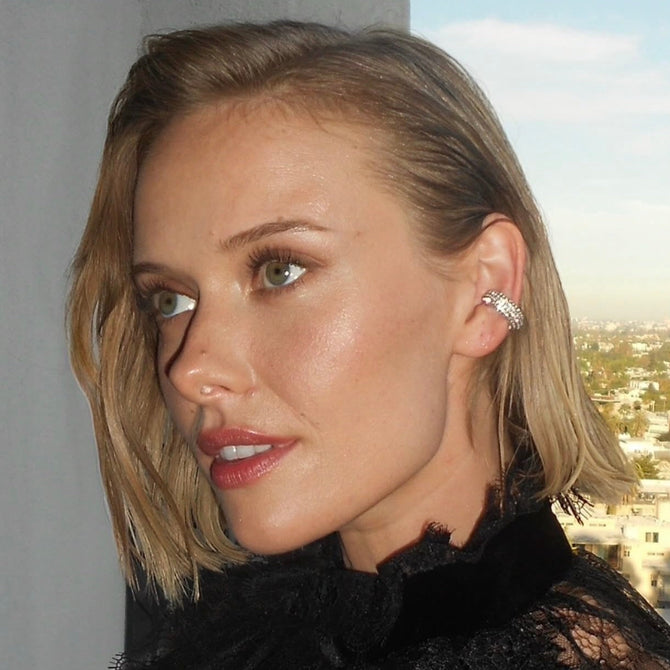
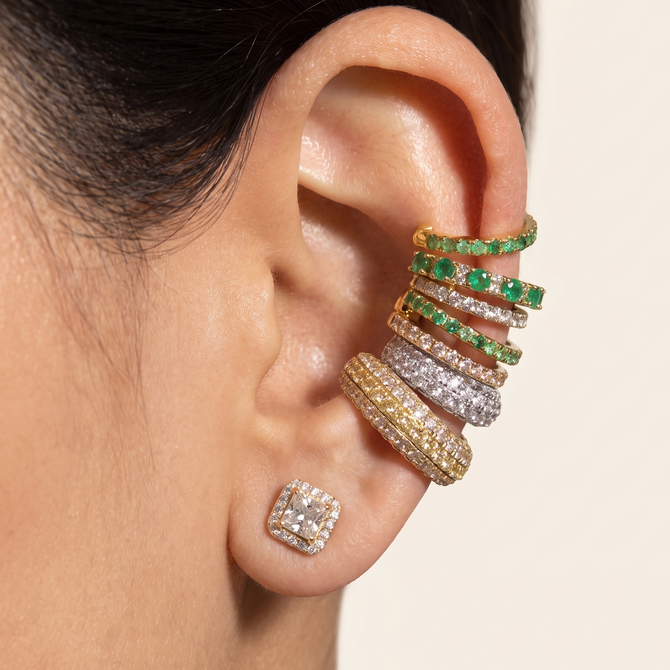
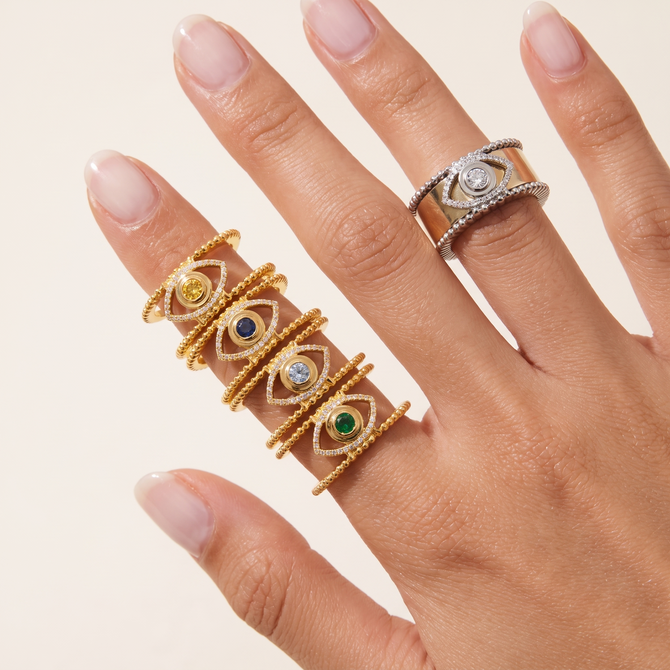
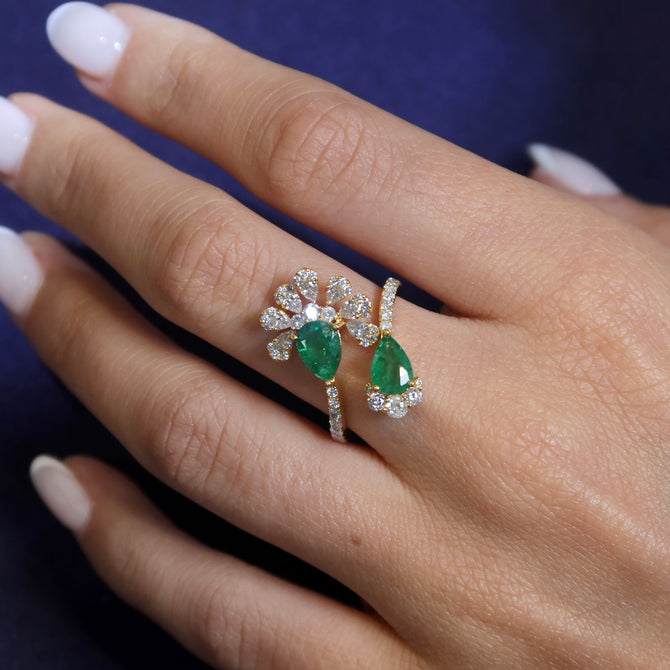
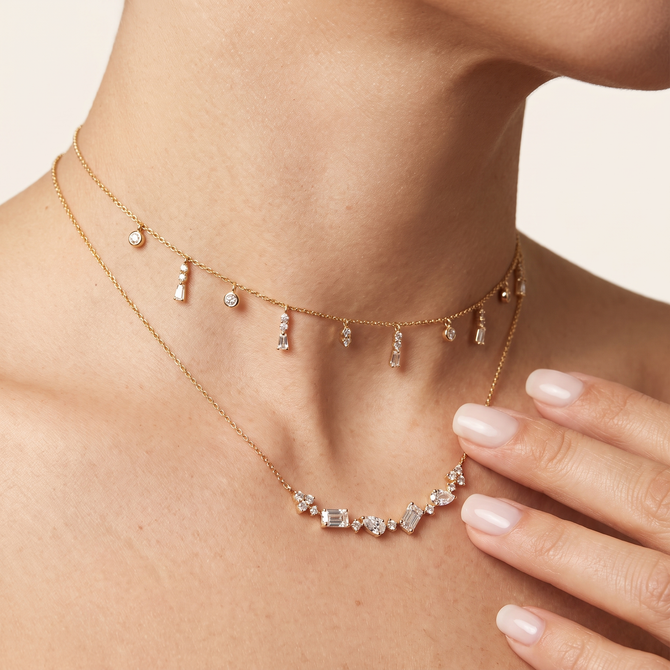
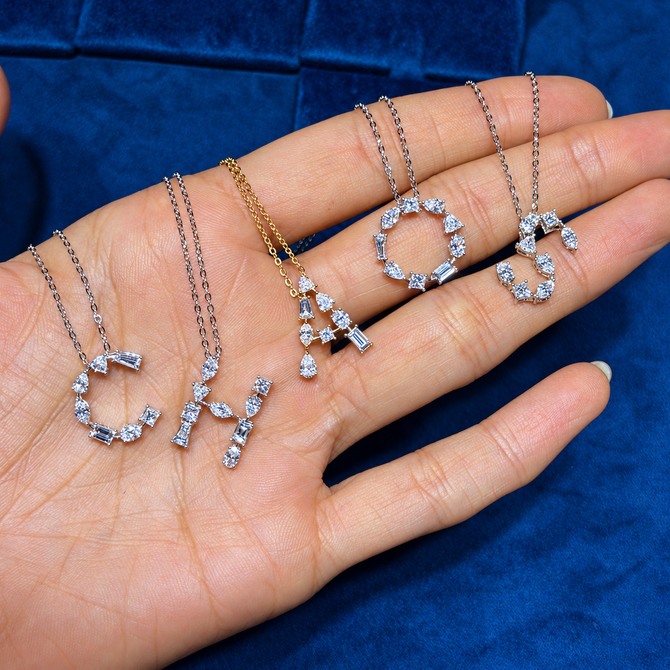
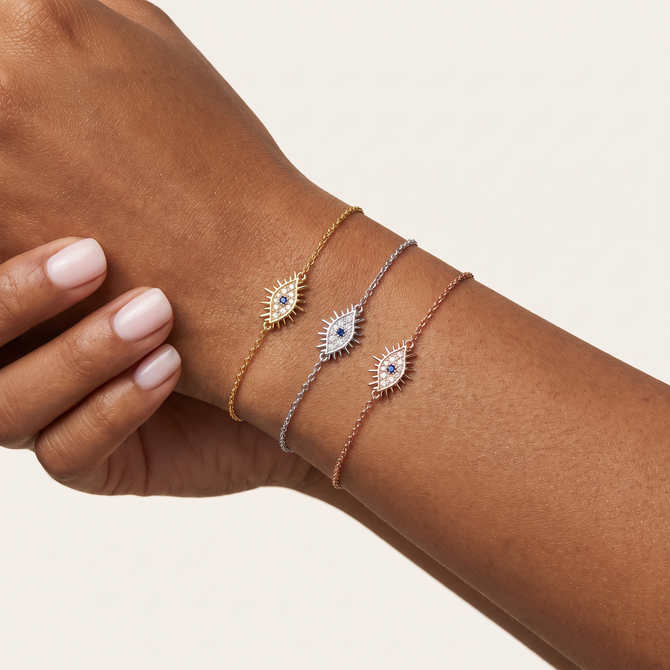
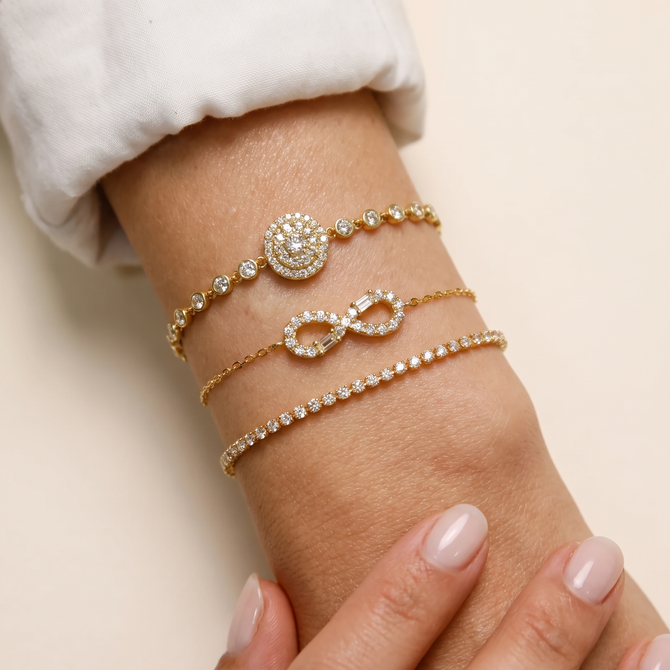
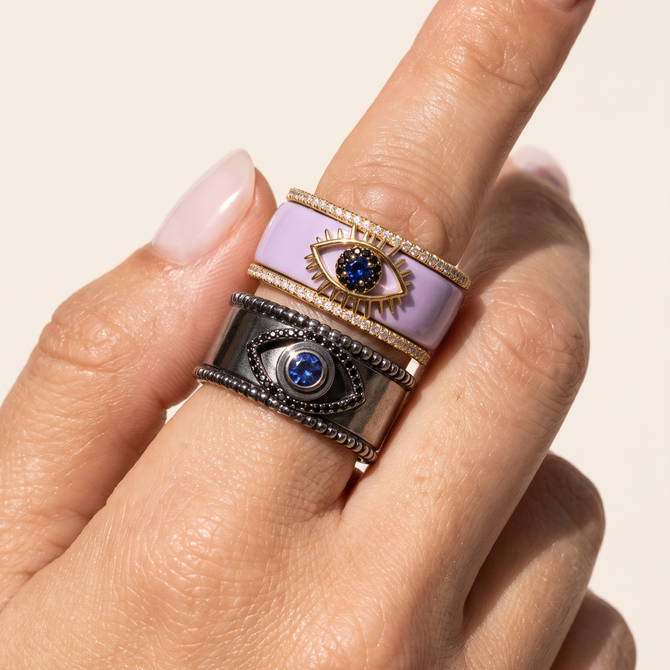
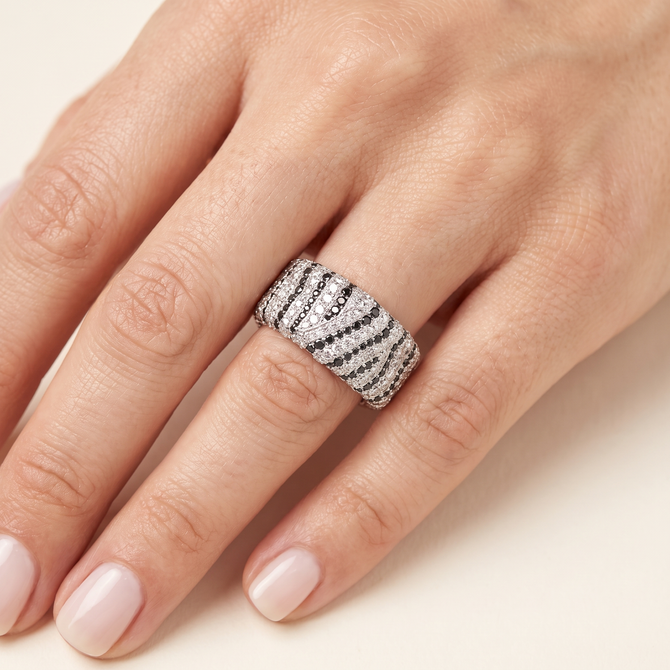
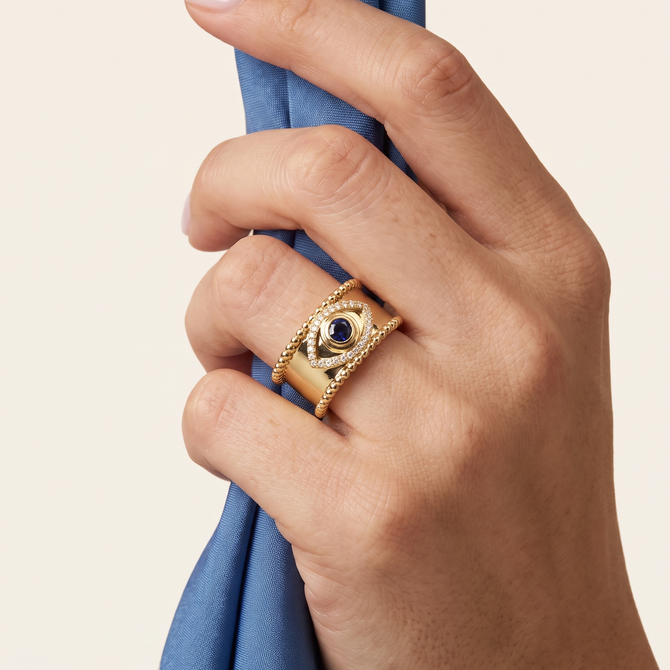

When luxury was defined by logo and price tag, it was easy to know what “success” looked like: a monogrammed bag, a flashy watch, or a brand name everyone recognised. But as we move deeper into the 2020s, that definition is quietly, profoundly shifting. In 2026, luxury isn’t about how much you spend, but why you spend it, and what the choice says about you.
This is especially true in jewelry, even a category once grounded in centuries of tradition. The conversation has moved past price points and into something far more nuanced: taste, identity, and meaning. And in this new luxury landscape, consumers are making choices guided by quality, story, and emotional resonance, not just prestige.
The Cultural Shift in Luxury Consumption
The luxury market is being reshaped by younger, more discerning buyers. According to global insights from the True-Luxury Global Consumer report and other industry research, Millennials and Gen Z buyers are expected to account for around 75% of luxury purchases by 2026. These generations are not only driving volume; they’re redefining what luxury means.
This shift isn’t limited to fashion. It extends into jewelry, where younger consumers are less attracted to conspicuous logos and more drawn to pieces that feel personal, authentic, and timeless. They prize craftsmanship over branding, emotional resonance over flash, and transparency over mystique. This signals a fundamental reorientation in luxury thinking: taste increasingly outweighs price.
In Asia, one of the fastest-growing luxury markets, 87% of consumers now favour timelessness over trendiness when evaluating luxury. Across mainland China, Hong Kong, Japan, and Southeast Asia, shoppers now prioritise quality of product rather than brand alone, an affirmation that emotional and material value matter more than mere status signals.

Price Alone No Longer Signals Value
Today’s luxury consumer doesn’t want a transaction, they want a connection.
In research on luxury behaviour patterns, younger buyers are shown to evaluate purchases through multiple lenses: identity, sustainability, craftsmanship, and even ethical considerations. This isn’t about rejecting luxury, it’s about re-imagining it. Jewelry is no longer an occasional indulgence; it’s a form of personal statement, daily ritual, and even psychological anchor.
For many, jewelry is now worn to gym sessions, flights, work meetings, and weekends, not just galas and weddings. This reflects how jewelry has become integrated into identity rather than reserved for spectacle. It’s dressing with intention, a quiet luxury that says more precisely who you are than what you can afford.
This shift aligns with trends seen in global luxury purchasing behaviour. Younger luxury buyers often prioritise experiences and connection over ostentatious consumption. They want pieces that match their lifestyle, reflect personal values, and resonate with their evolving selves. Jewelry that holds meaning, that shifts seamlessly from dawn to dusk, outperforms flashier items that fade after a season.
The Psychology of Taste Over Price
Taste isn’t just aesthetics, it’s storytelling. Jewelry now functions as a type of visual language. It’s a way of expressing mood, values, personal history, and even aspirations.
In jewelry research, you can observe this in the rise of meaningful design elements such as talismans, birthstones, and symbols that resonate emotionally beyond their material worth. Consumers today aren’t just browsing display cases; they’re curating collections that feel like them. They want pieces they can live in, not items that live in display boxes.
Consider how color and individuality have surged in jewelry preferences: bold gemstone statements are becoming more popular than timeless but safe defaults; reflecting a desire for self-expression beyond established codes.
This psychological shift dovetails with a broader cultural movement: a rejection of purely status-driven luxury in favour of subtle, intentional expression.
Why Jewelry Is a Modern Marker of Identity
In 2026, jewelry is less about announcing wealth and more about narrating selfhood. It’s who you want to be seen as, not what you want others to think you are.
This nuance shows up in several consumer behaviours:
Preference for quiet luxury: Symbolic, understated, and refined pieces that elevate without shouting.
Personalisation and narrative: Pieces tied to life moments, heritage, or emotional significance.
Thoughtful purchase behaviour: Buyers engage deeply with material quality and ethical sourcing, not just brand names.
These trends harmonise with broader movements in luxury consumption documented by market analysts, where experience, personalization, and values increasingly define what consumers are willing to invest in.
Jewelry, by nature, is personal. It sits close to the body, accompanies daily life, and becomes part of a wearer’s lived narrative. No handbag pocket or shoe rack holds the same emotional proximity as a necklace at sunrise or a ring kissed by years of touch.
When Price Isn’t the Primary Value Metric
The shift toward taste over price doesn’t mean ignoring cost, it means reassessing what cost should represent. Younger luxury buyers don’t deny the importance of quality materials or craftsmanship; in fact, they demand it. But they’re more interested in why they’re investing in something than how much it costs upfront.
This nuanced calculation of value is evident in how they approach luxury purchases:
Many prefer resale and rental luxury experiences, reflecting sustainability and practicality.
Younger consumers demand transparency about origin, materials, and maker story.
Personal significance often outweighs resale value as a motivator.
This means jewelry that feels aligned with self matters more than jewelry that signals status to others.
What This Means for Jewelry Brands
For global luxury houses, this shift represents both a challenge and opportunity. The traditional model, heavy brand markup, exclusive heritage narratives, and logo prominence, is being supplemented (and sometimes replaced) by demand for emotionally resonant, ethically grounded, and individually meaningful jewelry.
Brands that lean into storytelling, personalization, and transparent value creation find favor with younger, influential buyers. One emerging strategy is embracing quiet luxury, pieces that speak through design and sentiment, not overt wealth signals.
This aligns with trends across luxury industries where authenticity and personal expression increasingly outperform brand prestige alone.
Where Psylish Fits In
Psylish isn’t built to mimic heritage houses. Nor does it chase hype or loud branding. Instead, the brand sits squarely within this evolution of taste: jewelry designed for today’s living, for everyday stories, and for people who buy with intent.
Psylish pieces are anchored in:
Natural materials: Diamonds and metals that feel real, lasting, and substantial.
Thoughtful design: Refined lines that elevate both quiet moments and bold statements.
Wearability: Jewelry meant to be lived in, not boxed away.
Transparency: Strategic pricing that reflects value, not unnecessary markups.
This positions Psylish perfectly for a generation that values meaning over marketing, quality over logos, and longevity over fleeting appeal.
In an age where taste increasingly trumps price, jewelry becomes a marker of who we are, not just what we own.
The New Luxury Narrative
The cultural shift toward taste over price is more than a trend, it’s a statement about evolving values in luxury. It signals a movement away from conspicuous consumption toward conscientious, emotionally resonant ownership. Jewelry, especially thoughtfully designed fine jewelry, has become a primary arena where this new definition of luxury plays out.
Whether worn daily or treasured for the moments that matter, jewelry in 2026 is part of identity, not impression. And as luxury continues to evolve, taste; the quiet, discerning kind, will increasingly define what we choose to keep close.


